
Checking Chino Voter Registration in My Voter Status
For a current Chino voter, the first official stop is California's My Voter Status tool. It is run through the California Secretary of State and is designed for identity-verified self-service, not for browsing everyone registered in Chino. A voter enters identifying details, and the tool checks the state and county registration data that includes San Bernardino County. When the match works, it can confirm registration status and show election-specific details such as party preference, county, vote-by-mail or ballot status where enabled, polling place or vote center information, districts, and links for updates.
| My Voter Status field | Entry type | Required | Chino search notes |
|---|---|---|---|
| First Name | Text | Yes | Use the legal first name as registered. |
| Last Name | Text | Yes | Try hyphen, space, and suffix variations if a match fails. |
| Date of Birth | Date fields | Yes | Month, day, and year are used for identity matching. |
| California Driver License or ID / last 4 SSN | Identifier | Conditional | The workflow may request an identifying number. |
| County | Dropdown | Sometimes | Select San Bernardino if the tool asks for county. |
| House Number / ZIP | Text | Sometimes | Useful when the system needs an address match. |
| Submit / Continue | Button | n/a | Returns status and election details when the match verifies. |
A non-match does not prove that a person is not registered. Recent updates, spelling differences, address changes, confidential status, and county data synchronization can all affect the lookup. For election-office questions that the statewide screen does not answer, Chino voters use the San Bernardino County Registrar of Voters.
Who Handles Chino Voter Records at the County Level
Chino is a city, but its voter records are administered through San Bernardino County. The county Registrar of Voters manages registration records, vote-by-mail routing, vote centers and polling places, election results, candidate filing information, district and precinct data, election maps, and voter-file requests. The City of Chino may have municipal election materials through the City Clerk, but the registration file for a Chino resident is not a city-maintained roster.
That split matters when the search goal changes. Use My Voter Status for a personal voter registration check. Use the Registrar for county election services, voter-file procedures, and precinct or district questions. Use the California Secretary of State for statewide election resources, voter registration rules, and the legal framework for voter-file access.
What a California Voter Record Can Show
California voter registration records include more than a yes-or-no registration status, but the full file is not an open public phone book. The public or releasable portion is tied to permitted uses, and sensitive fields are withheld. A voter record may be valuable for civic, journalistic, scholarly, political, or governmental work because it connects a voter to a registration date, address context, precinct, district, party preference, and participation history. It does not reveal how anyone voted on a candidate or measure.
| Full name | Public for permitted voter-file uses; access is purpose-restricted. |
|---|---|
| Residence address | Public for permitted uses unless the voter is confidential or protected. |
| Mailing address | May appear for permitted uses, but remains restricted-use voter data. |
| Party preference | California registers party preference; it may appear in permitted voter-file data. |
| Registration status | Active, inactive, or cancelled status depends on list-maintenance rules. |
| Registration date | Can provide a timeline clue when released for lawful use. |
| Precinct and districts | Often available through election data and county maps. |
| Vote history | Participation only; ballot choices are secret and are not part of a person record. |
| Signature, full DOB, ID, SSN | Confidential or restricted; used for verification, not broad publication. |
Confidential by law. California Elections Code section 2194 shields items such as signature, driver's license or identification number, Social Security number, full date of birth, and protected-address data. Safe at Home and other protected-voter rules can also keep an actual residence address out of the releasable file.
Official Sources Behind Chino Voter Registration Records
The statewide election source is the California Secretary of State elections page.
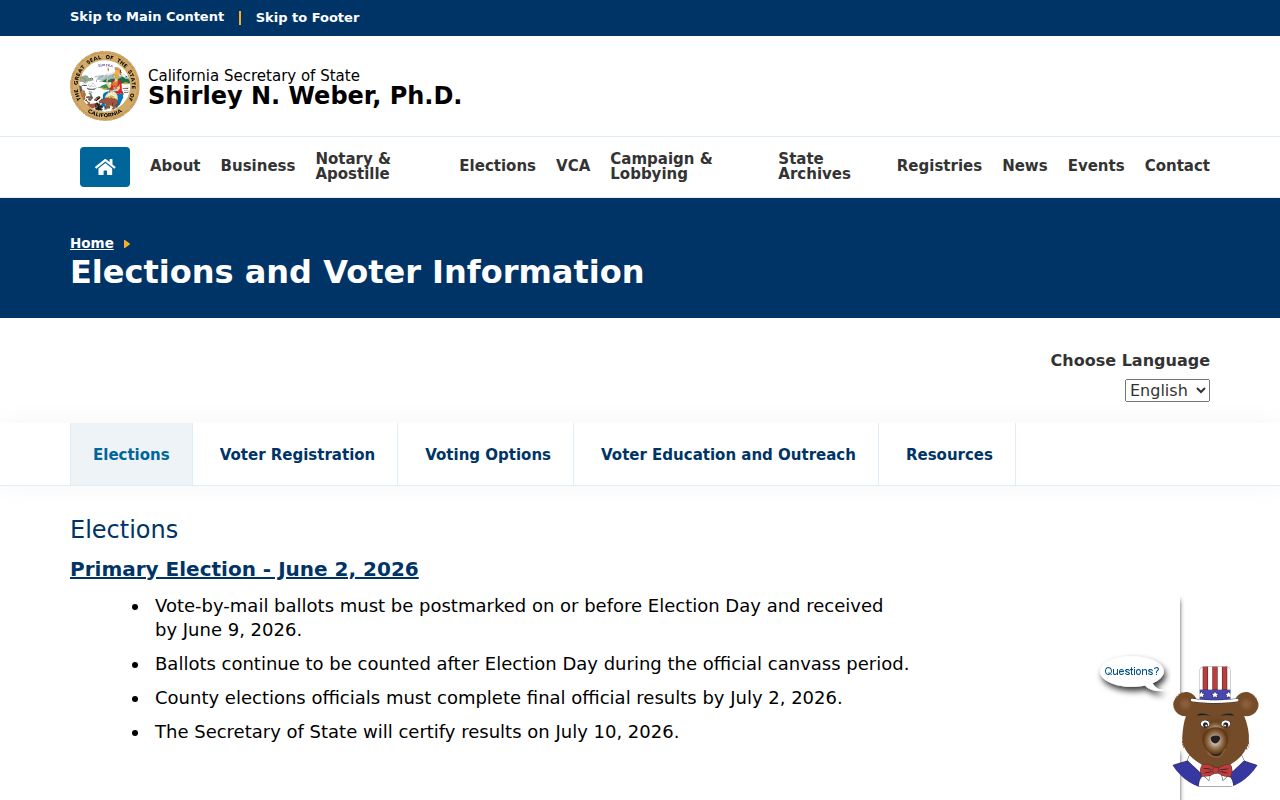
That state source frames registration tools, voter-file rules, election data, and statewide voter services that affect Chino voters.
The local source is the San Bernardino County Registrar of Voters.
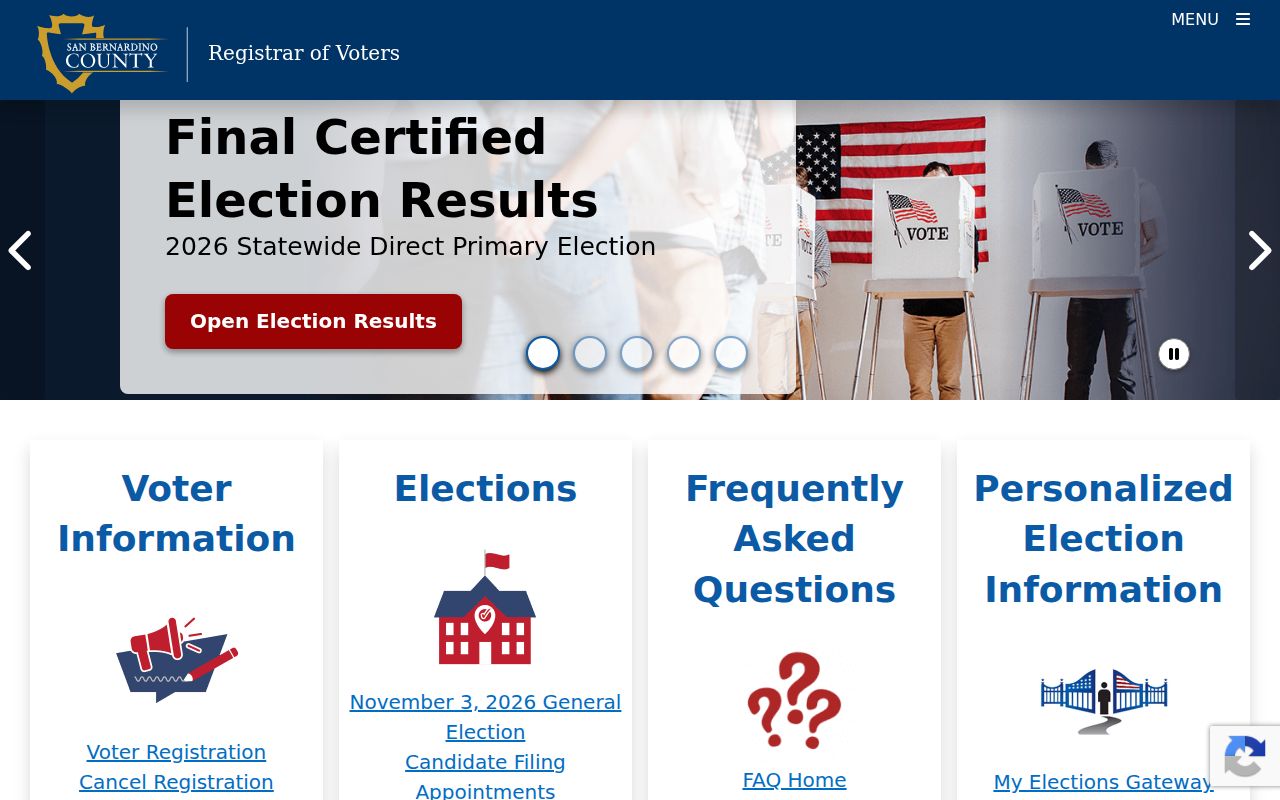
The county office handles registration administration, local election services, precinct and district context, and voter-file request routing for Chino.
The statute source is California Legislative Information.
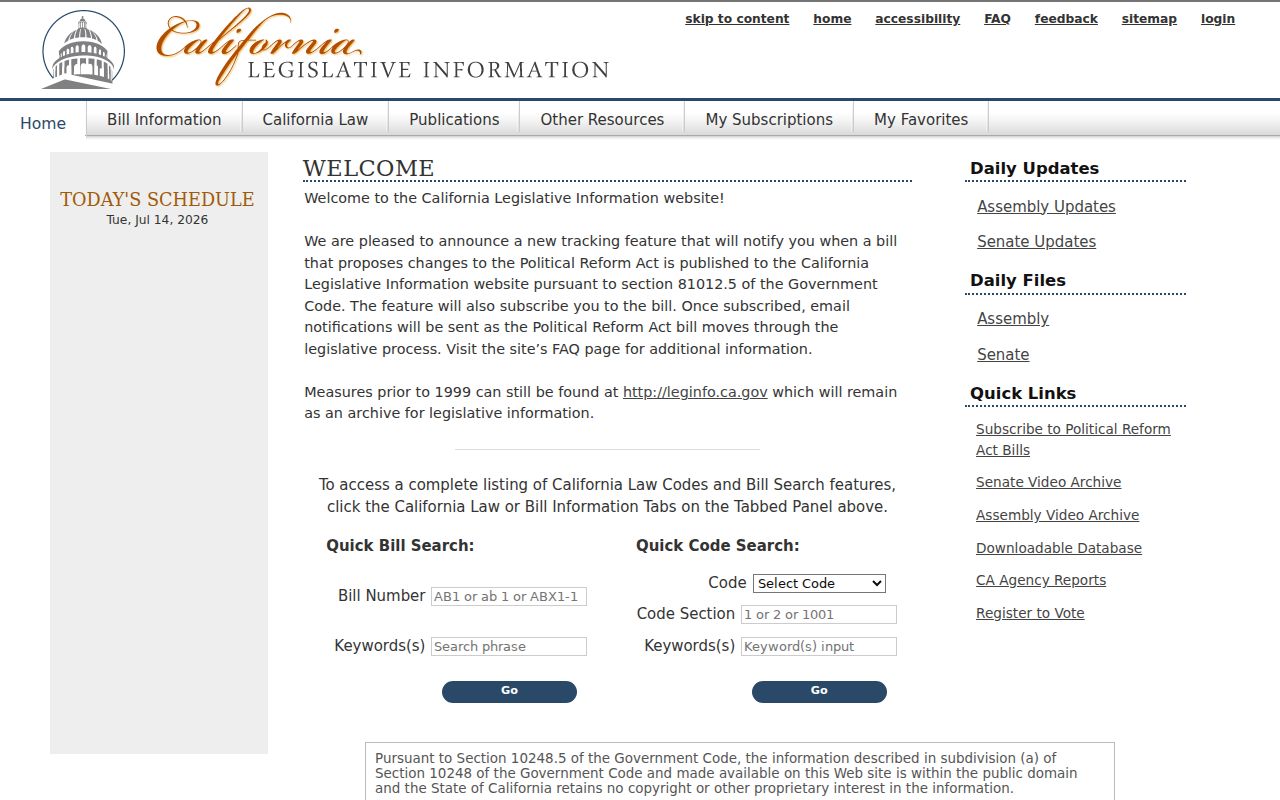
Use the code source when checking Elections Code section 2194 or related voter-record confidentiality rules.
The privacy-agency source is the California Privacy Protection Agency.
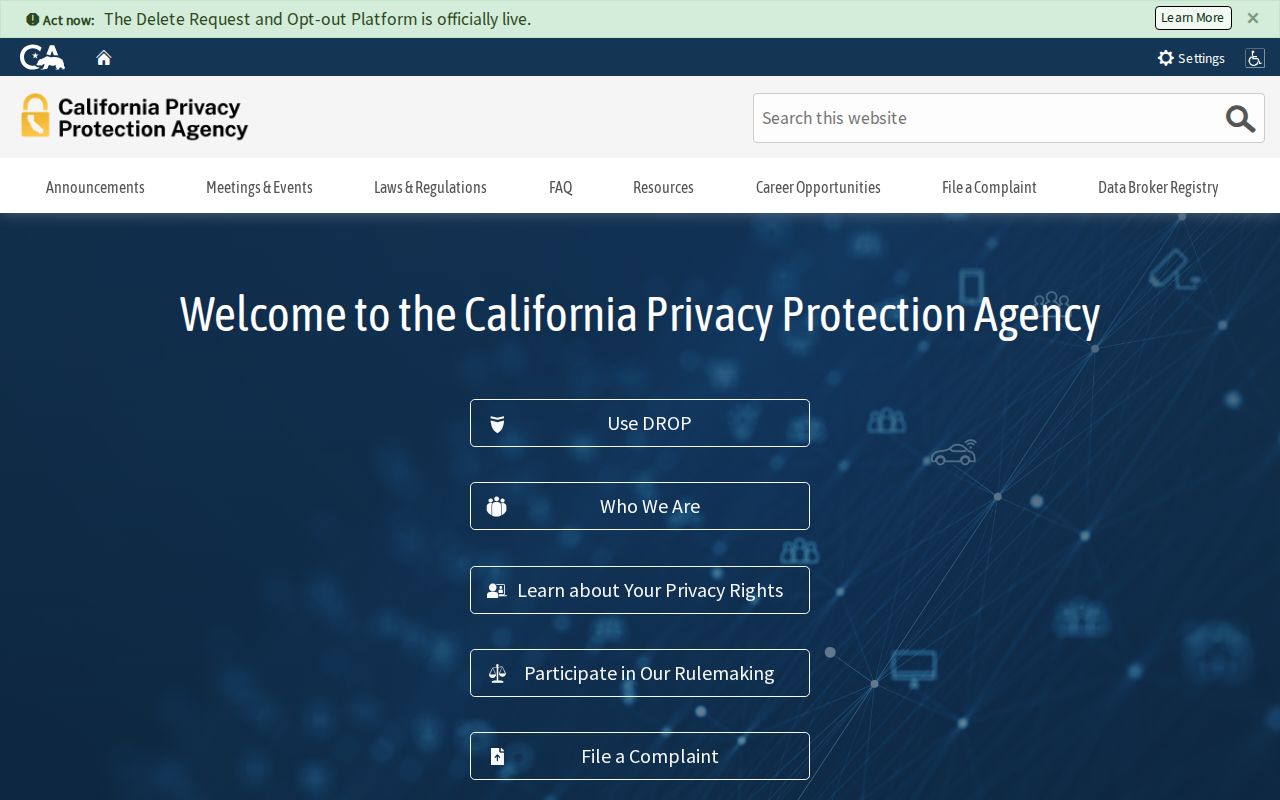
Privacy rules matter because voter records can overlap with protected-address, data-broker, and personal-information issues.
The Attorney General source is the California privacy rights page.
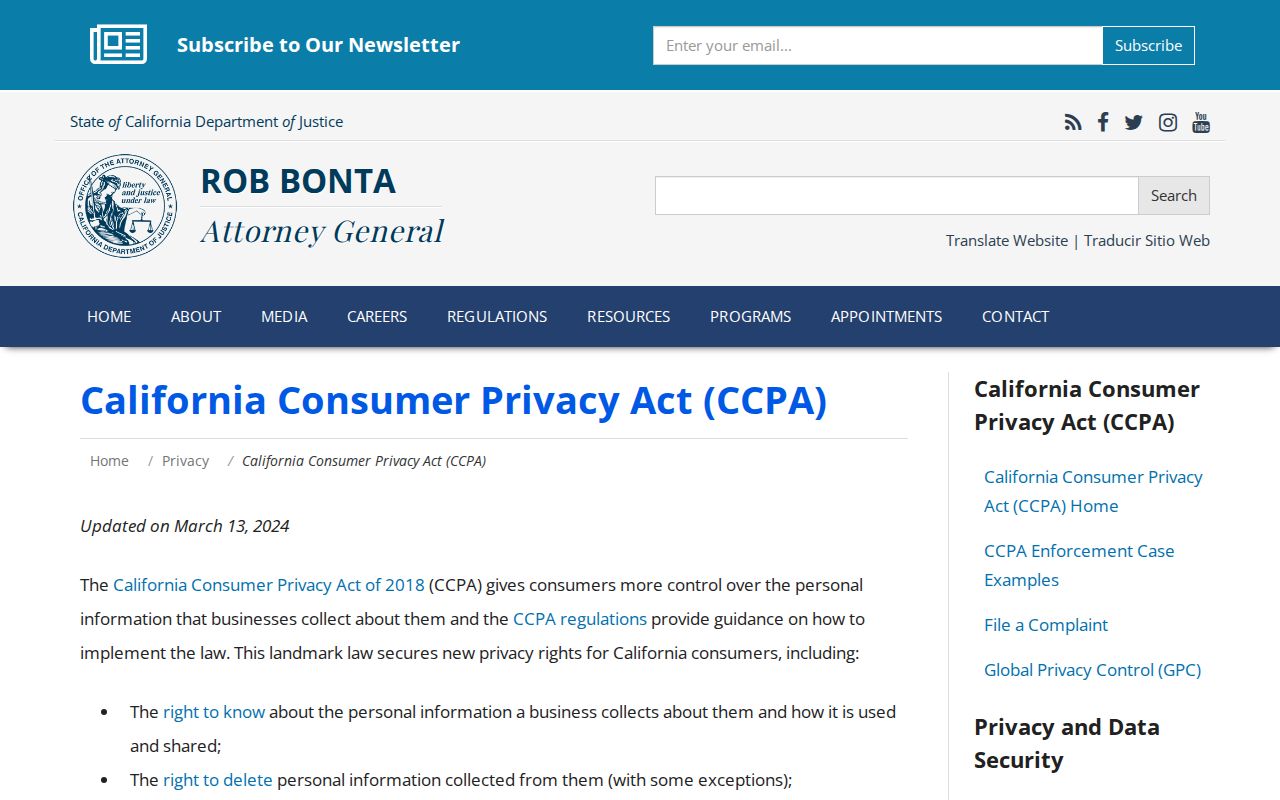
That source helps separate official voter-file limits from broader commercial data and privacy-rights questions.
Chino Voter Records Are Restricted, Not a Public Directory
The most common mistake is treating the voter-status tool as if it were a searchable directory of all Chino voters. It is not. My Voter Status requires personal identifying inputs because it is built for voters checking their own status and election information. The broader voter file is a controlled data set released only through official procedures and only for legally allowed purposes.
California Elections Code section 2194 allows voter registration information to be used for election, scholarly, journalistic, political, or governmental purposes as determined by law. It also prohibits commercial use and unauthorized misuse. That makes voter data different from a public agenda, deed index, court docket, or city staff directory. The right question is not simply whether a field exists; it is whether the requester has a lawful purpose and whether the custodian may release that field.
Requesting California Voter File Data for Chino
Chino registrations sit inside the San Bernardino County voter file and the statewide election framework. The research record did not confirm San Bernardino County's current fee schedule or every application checkbox from a static official page, so the safest workflow is to start with the county Registrar and verify the latest form before ordering data. Expect a purpose certification and a narrower release than the raw registration database maintained for election administration.
| Request step | What to prepare | Why it matters |
|---|---|---|
| Identify the custodian | San Bernardino County Registrar of Voters, with statewide rules from the Secretary of State. | Chino is county-administered for voter registration. |
| State the purpose | Election, governmental, scholarly, journalistic, political, or other approved purpose. | Purpose limits come from Elections Code section 2194. |
| Describe the data | Countywide, district, precinct, selected voters, vote history, labels, maps, or other available formats. | The county may price and deliver different products differently. |
| Complete certification | Requester name, organization, contact information, signature, and acknowledgement of use limits. | The certification records responsibility for lawful use. |
| Confirm fee and delivery | Ask the Registrar for the current fee, media, download, paper, or label options. | The fee/form details were a research gap and can change. |
Do not assume the voter file can be repurposed after release. California treats misuse seriously: unauthorized or commercial use violates the voter-file rules, and records gathered from any source must not be used to threaten, harass, impersonate, or invade protected privacy.
Safe at Home and Protected Chino Voters
Some absent address information is intentional. California's Safe at Home program provides substitute-address confidentiality for qualifying survivors and other protected categories described by the Secretary of State. The program can shield an actual residence address in government records, including voter-related records processed by county registrars.
Researching Chino voter records therefore requires caution. A missing, substitute, or non-standard address may reflect a lawful confidentiality program rather than an indexing problem. Other protected categories and redaction laws can also restrict address disclosure for judges, law-enforcement officials, prosecutors, public defenders, and similar protected officials. The lawful result may be less information, not a workaround.
Inactive and Cancelled Voter Registration Records
California voter rolls change through National Voter Registration Act procedures and state election law. A Chino voter record may become inactive after address-confirmation mailings, undeliverable election mail, Department of Motor Vehicles or change-of-address signals, or failure to vote or respond through statutory cycles. Inactive does not always mean invalid; often it means the voter may need to confirm or update an address.
Cancellation is a different status. It can result from death, duplicate registration, a voter request, a move confirmed through the legal process, or felony imprisonment or other ineligibility rules as current law defines them. For a current voter, status questions should be resolved through My Voter Status and the Registrar rather than by guessing from an old list or a third-party copy.
Historical Chino Voter Registers and Poll Books
Older voter records can be useful for genealogy, address history, and historical community research. California and county-era materials may include Great Registers, poll lists, voter registers, precinct books, and election returns. Depending on the year and collection, older entries can show name, age, nativity, occupation, address or precinct, and naturalization status.
For Chino, older records may not use modern city labels. The same resident or family may appear under Rancho Santa Ana del Chino, a rural route, a county precinct, a township-style description, Ontario-area context, or a later subdivision name. The research did not confirm exact San Bernardino County or Chino voter-register year runs in an official archive catalog, so collection years should be verified with the California State Archives, San Bernardino County Library, FamilySearch catalog, or county/local archives before citing a specific book.
Legal Limits on Using Chino Voter Registration Data
Voter-file rules sit beside broader California misuse laws. Records cannot be used for stalking, threats, impersonation, identity theft, unauthorized data access, or evasion of address-confidentiality protections. California Penal Code section 646.9 covers stalking, Penal Code section 530.5 covers identity theft, and Elections Code section 2194 controls voter-file purpose limits and commercial-use restrictions.
Scam risk is also practical. Be cautious with anyone claiming to sell unrestricted Chino voter lists, secret address data, or guaranteed identity details. Official access runs through the Secretary of State, the San Bernardino County Registrar of Voters, and the legal certifications attached to voter-file requests. If a record looks stale or inconsistent, verify with the custodian rather than expanding use beyond the lawful purpose that justified access.